


A rye whiskey Manhattan stands out for its bold spice, dry edge, and structured flavor. In fact, rye-based Manhattans have seen a steady rise in popularity, with cocktail menu data showing a 20% increase in classic whiskey cocktails over the past five years. At the same time, craft bitters sales have grown rapidly as drinkers seek more personalized flavor profiles. Choosing the right bitters can transform a good Manhattan into an exceptional one. This guide breaks down exactly which craft bitters pair best with rye whiskey Manhattans and how to use them effectively.
Understanding the Role of Bitters in a Rye Manhattan
Bitters act as the seasoning of a cocktail. While they make up only a few dashes, they influence aroma, balance, and complexity. Rye whiskey already brings peppery spice, herbal notes, and a dry finish. Therefore, the bitters you choose should either complement or contrast those qualities.
Moreover, bitters bridge the gap between sweet vermouth and rye. Without them, the drink can taste flat or overly sweet. With the right bitters, however, the Manhattan becomes layered and refined.
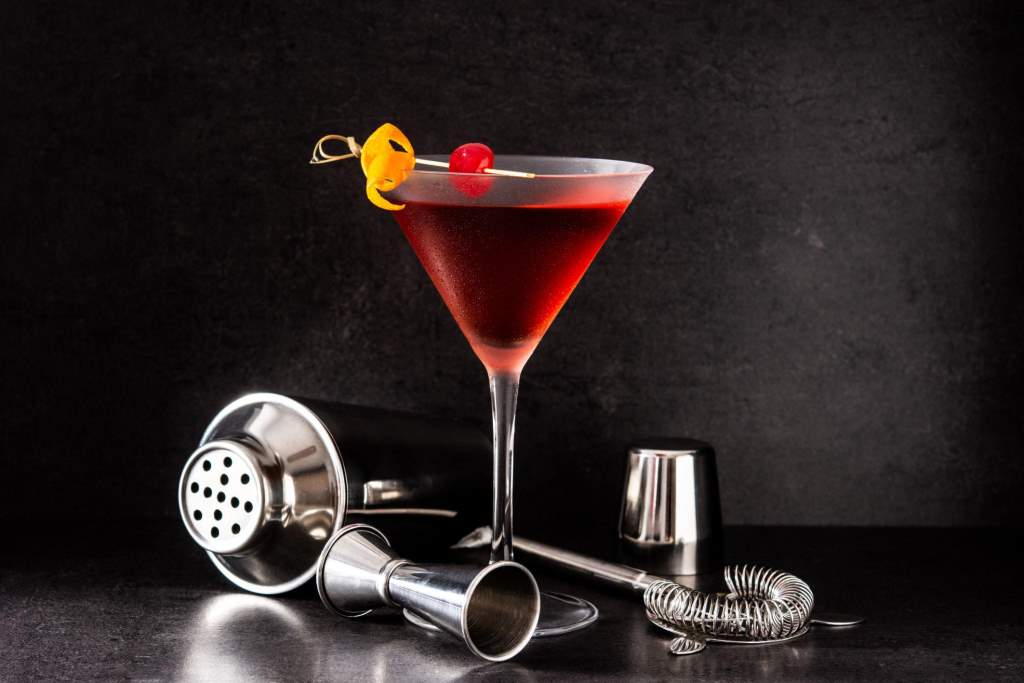
Why Rye Whiskey Needs Specific Bitters Pairings
Rye differs from bourbon because it contains a higher percentage of rye grain. This gives it a sharper, spicier flavor. As a result, not all bitters work equally well.
For example, overly sweet or heavily citrus-forward bitters can clash with rye’s dryness. Instead, you need bitters that either enhance spice, add depth, or introduce subtle contrast.
Key characteristics of rye whiskey include:
- Peppery spice
- Dry finish
- Herbal undertones
- Light fruit notes
Because of this profile, bitters should support structure rather than overpower it.
Classic Aromatic Bitters: The Foundation Choice
Aromatic bitters remain the most reliable pairing for rye Manhattans. They offer warm spices like clove, cinnamon, and allspice, which naturally complement rye’s character.
Why Aromatic Bitters Work So Well
They reinforce the spice already present in rye. At the same time, they add depth without changing the drink’s identity.
Popular flavor notes include:
- Baking spices
- Subtle bitterness
- Light herbal complexity
These bitters create a balanced and traditional Manhattan profile.
When to Use Them
Use aromatic bitters when you want a classic Manhattan. They also work best for beginners or when serving guests who prefer familiar flavors.
Orange Bitters: Brightness and Lift
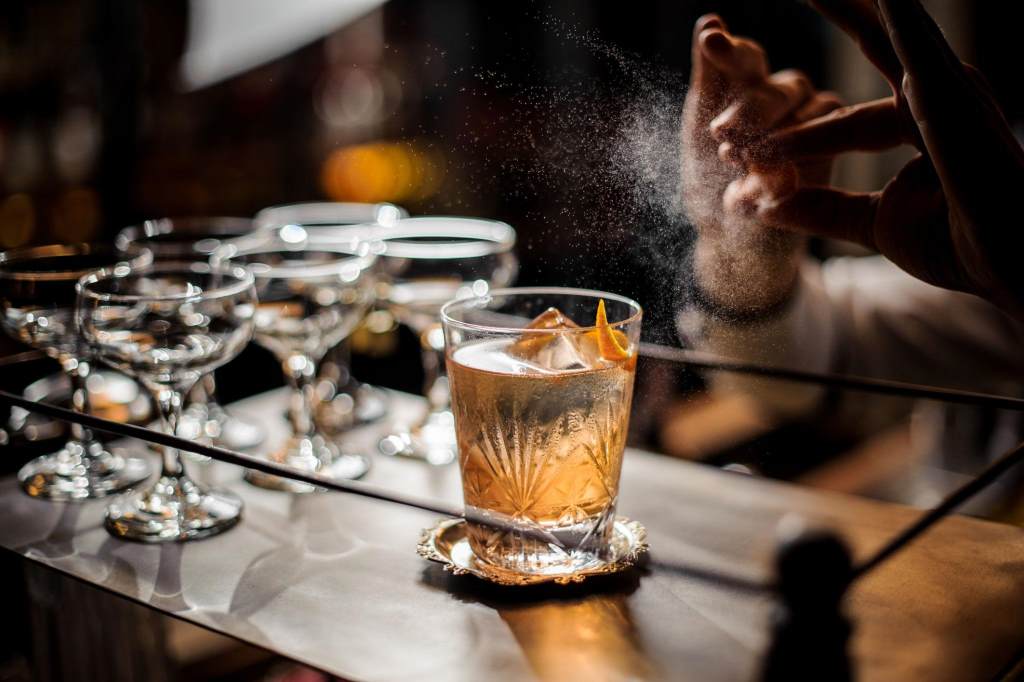
Orange bitters introduce citrus oils and mild bitterness. They lighten the overall profile of a rye Manhattan.
Flavor Impact
They add:
- Bright citrus aroma
- Subtle sweetness
- A cleaner finish
As a result, the drink feels more refreshing.
Best Use Cases
Orange bitters work well when:
- Your vermouth is rich or sweet
- You want a lighter Manhattan
- You prefer a citrus-forward aroma
Additionally, combining orange bitters with aromatic bitters creates a layered effect.
Chocolate Bitters: Deep and Luxurious Pairing
Chocolate bitters add richness and a slightly bitter cocoa note. This pairing works especially well with bold rye whiskeys.
Why Chocolate Bitters Shine
They soften rye’s sharp edges while adding depth. Furthermore, they complement sweet vermouth beautifully.
Flavor Notes Added
- Dark cocoa
- Coffee-like bitterness
- Subtle sweetness
This creates a more indulgent Manhattan experience.
Ideal Situations
Use chocolate bitters when:
- Making after-dinner cocktails
- Serving guests who enjoy richer drinks
- Pairing with desserts
Herbal Bitters: Enhancing Complexity
Herbal bitters introduce layers of botanicals such as thyme, rosemary, or sage. These notes align well with rye’s natural herbal undertones.
What They Bring to the Drink
They add:
- Earthy depth
- Green herbal aromas
- Slight bitterness
Consequently, the Manhattan becomes more complex and aromatic.
When to Choose Herbal Bitters
These bitters work best when:
- You want a savory twist
- You enjoy botanical flavors
- You are experimenting with craft cocktails
Walnut Bitters: Nutty and Structured
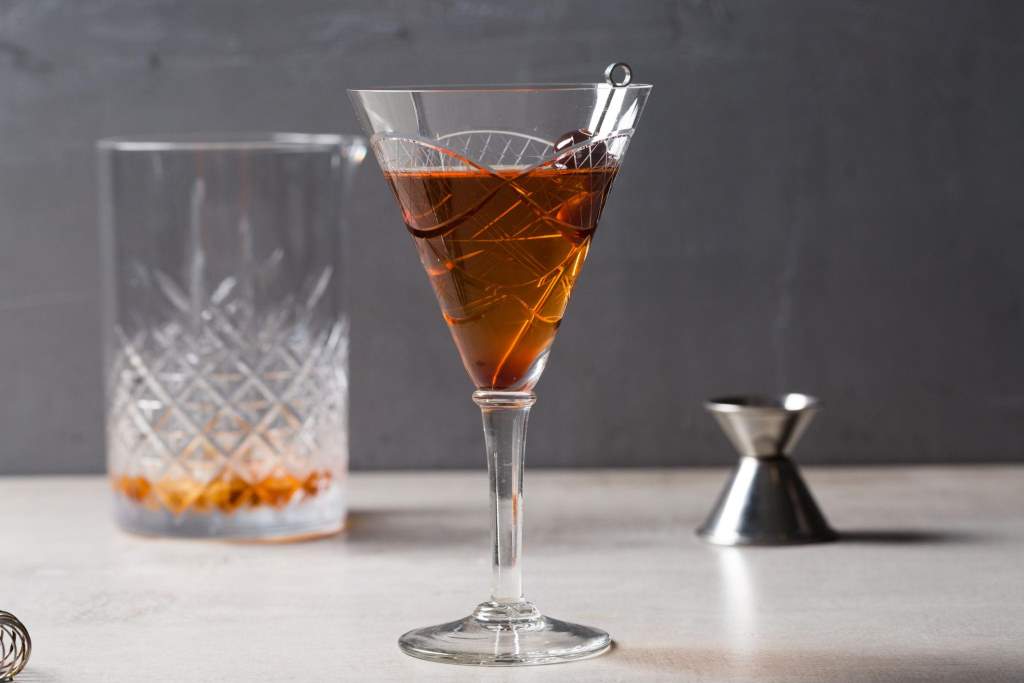
Walnut bitters offer a unique nutty bitterness that pairs surprisingly well with rye whiskey.
Flavor Contribution
They provide:
- Toasted nut notes
- Dry bitterness
- Slight earthiness
These flavors enhance rye’s structure rather than competing with it.
Best Applications
Walnut bitters are ideal when:
- You want a dry Manhattan
- You prefer less sweetness
- You are using a robust rye whiskey
Spiced Bitters: Amplifying Rye’s Core Profile
Spiced bitters take rye’s natural spice and amplify it. They often include ingredients like cinnamon, clove, and cardamom.
Why They Work
They create a cohesive flavor profile. Instead of adding contrast, they intensify what is already present.
Flavor Effects
- Warmer spice notes
- Fuller body
- Longer finish
Recommended Use
Use spiced bitters when:
- You want a bold Manhattan
- You enjoy strong flavors
- You are making winter cocktails
How to Combine Bitters for Better Results
Using a single type of bitters works well. However, combining bitters can elevate your Manhattan even further.
Popular Combinations
- Aromatic + Orange: Balanced and bright
- Chocolate + Aromatic: Rich and classic
- Walnut + Orange: Nutty with citrus lift
- Herbal + Aromatic: Deep and complex
Tips for Mixing Bitters
- Start with 2 dashes total
- Adjust gradually
- Avoid overcomplicating flavors
Balance remains the goal.
Matching Bitters with Different Rye Styles
Not all rye whiskeys taste the same. Therefore, your bitters choice should match the specific bottle.
Light Rye Whiskey
Best bitters:
- Orange bitters
- Herbal bitters
These keep the drink fresh and balanced.
Bold Rye Whiskey
Best bitters:
- Chocolate bitters
- Walnut bitters
They complement strong flavors without getting lost.
High-Proof Rye
Best bitters:
- Aromatic bitters
- Spiced bitters
These stand up to intensity.
Common Mistakes to Avoid
Even great ingredients can lead to poor results if used incorrectly.
Overusing Bitters
Too many dashes can overpower the drink. Stick to 2–3 dashes maximum.
Ignoring Balance
Bitters should enhance, not dominate. Always taste and adjust.
Using Mismatched Flavors
Avoid pairing overly sweet bitters with already sweet vermouth. This creates imbalance.
Craft Bitters Brands Worth Exploring
While this guide focuses on types, quality also matters. Look for craft bitters made with natural ingredients and balanced formulations.
Features of good craft bitters:
- Clear, defined flavors
- No artificial aftertaste
- Balanced bitterness
Investing in quality bitters significantly improves your cocktails.
Final Thoughts
The best bitters for a rye whiskey Manhattan depend on your taste preferences. Aromatic bitters provide a classic base, while orange bitters add brightness. Chocolate and walnut bitters offer richness, and herbal bitters bring complexity.
Experimentation plays a key role. Start simple, then explore combinations to discover your ideal profile. With the right bitters, you can turn a standard Manhattan into a signature cocktail.
If you enjoy crafting better cocktails at home, start testing these bitters combinations today and refine your perfect rye Manhattan.
FAQs
What is the best bitters for a classic rye Manhattan?
Aromatic bitters are the best choice. They complement rye’s spice and create a balanced, traditional flavor.
Can I mix different bitters in one Manhattan?
Yes, combining bitters adds complexity. Start with small amounts and adjust based on taste.
Are orange bitters necessary for a Manhattan?
They are not required, but they add brightness and enhance aroma.
Do chocolate bitters make the drink sweeter?
No, they add depth and slight bitterness rather than sweetness.
How many dashes of bitters should I use?
Typically 2–3 dashes are enough for a well-balanced Manhattan.
References
https://www.liquor.com/articles/manhattan-cocktail-recipe/
https://www.diffordsguide.com/cocktails/recipe/1296/manhattan
https://www.seriouseats.com/classic-manhattan-cocktail-recipe
https://punchdrink.com/articles/how-to-use-bitters-in-cocktails/