


Rye whisky has grown in popularity among spirits enthusiasts in recent years. Many people with gluten sensitivities wonder if they can enjoy it safely. Studies show that over 3 million Americans follow a gluten free diet. This raises a key question for whisky lovers.
What Is Rye Whisky and How Is It Made?
Rye whisky is a type of distilled spirit primarily made from rye grain. By law in the USA it must contain at least 51 percent rye. The remaining portion can include other grains like corn or barley.
The production process begins with mashing the grains to extract sugars. Yeast is added to ferment the mash creating a liquid called distillers beer. This liquid is then distilled to separate alcohol from other components.
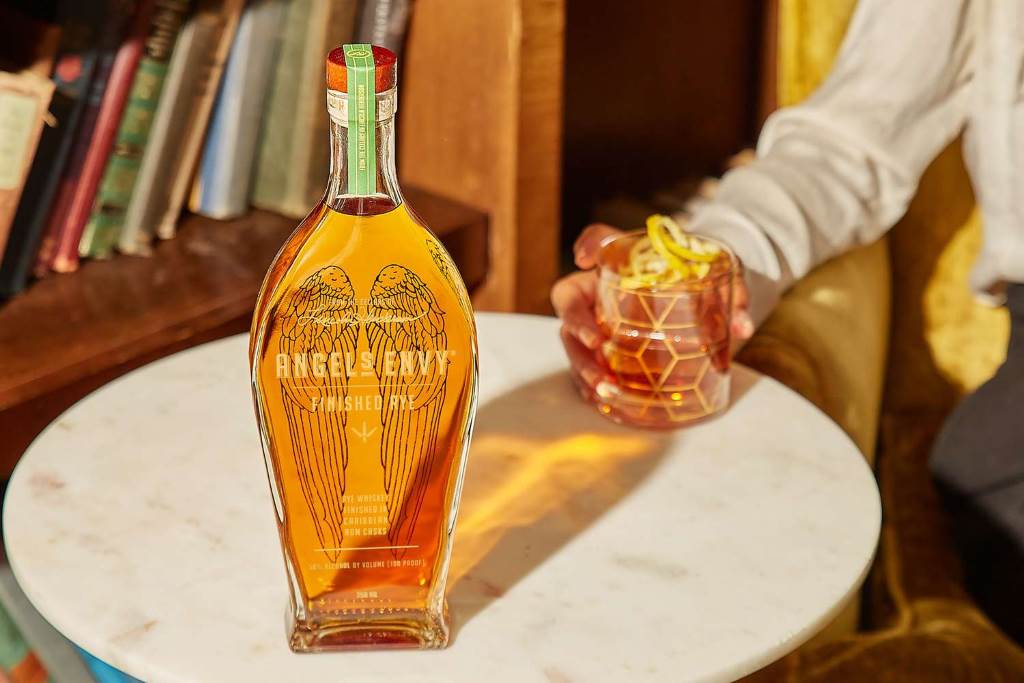
Distillation is a critical step in whisky making. It involves heating the liquid to create vapor and then cooling it to condense the alcohol. This process can remove impurities including some proteins. Craft bitters pair well with rye whisky in cocktails.
The distilled spirit is aged in wooden barrels to develop flavor. Rye whisky often has a spicy and robust taste profile. The aging process can last from a few years to several decades.
After aging the whisky is typically diluted with water to reach the desired proof. It may also be filtered to remove any remaining impurities. The final product is bottled and ready for consumption.
Does Rye Whisky Contain Gluten?
Rye grain contains gluten proteins called secalins and glutelins. These proteins can trigger reactions in people with celiac disease or gluten sensitivity. The distillation process is key to understanding gluten content in whisky.
During distillation alcohol boils at a lower temperature than water. This allows the alcohol to vaporize and separate from the mash. Gluten proteins are larger molecules and do not vaporize at these temperatures. As a result most gluten remains in the still.
However trace amounts of gluten may still be present in the final product. This can happen if the distillation process is not perfect. Some studies suggest that most distilled spirits contain less than 20 parts per million of gluten.
The TTB which regulates alcohol in the USA allows spirits to be labeled as gluten free if they contain less than 20 ppm. This is the same standard used for gluten free foods. Many rye whiskies meet this criterion.
It is important to note that some whiskies may have added flavorings or colorings. These additives could potentially introduce gluten. Always check the label for any additional ingredients.
The Science Behind Gluten in Distilled Spirits
Research on gluten in distilled spirits has provided valuable insights. A study published in the Journal of Agricultural and Food Chemistry analyzed various distilled spirits. The results showed that most contained negligible amounts of gluten.
The distillation process effectively removes gluten proteins due to their size. Gluten peptides are too large to carry over into the distillate. This makes most distilled spirits safe for people with gluten sensitivities.
However some individuals may still react to distilled spirits. This could be due to the presence of other compounds or cross contamination. It is always best to consult with a healthcare provider if you have concerns.
Another factor to consider is the type of still used in production. Pot stills and column stills may have different efficiencies in removing gluten. Most commercial distilleries use column stills which are highly effective.
Some experts recommend that people with celiac disease avoid all grain based spirits. Others suggest that distilled spirits are generally safe. The decision should be based on individual tolerance levels.
Can People with Celiac Disease Drink Rye Whisky?
Celiac disease is an autoimmune disorder triggered by gluten consumption. It causes damage to the small intestine and can lead to various health issues. People with celiac disease must strictly avoid gluten to manage their condition.
The Celiac Disease Foundation states that distilled spirits are generally considered safe. This is because the distillation process removes gluten proteins. However they advise caution and recommend consulting a healthcare provider.
Some people with celiac disease may still experience symptoms after consuming distilled spirits. This could be due to other ingredients or cross contamination during production. It is important to choose brands that follow strict gluten free practices.
If you have celiac disease and want to try rye whisky start with a small amount. Monitor your body’s reaction carefully. If you experience any symptoms discontinue use and consult your doctor.
There are also gluten free alternatives available for those who prefer to avoid rye whisky. These include spirits made from grapes potatoes or other gluten free ingredients. Make your own whisky at home using gluten free grains.
How to Choose a Gluten Free Rye Whisky
If you are sensitive to gluten there are steps you can take to choose a safe rye whisky. Look for brands that explicitly label their products as gluten free. These brands have tested their products and meet the required standards.
Check the production process used by the distillery. Some distilleries use dedicated equipment for gluten free products. This reduces the risk of cross contamination with gluten containing grains.
Consider the aging process as well. Some whiskies are aged in barrels that previously held other spirits. While this is unlikely to introduce gluten it is something to be aware of.
Read reviews and testimonials from other gluten sensitive individuals. Their experiences can provide valuable insights into which brands are safe. Online forums and support groups can be helpful resources.
When in doubt contact the manufacturer directly. Ask about their production processes and gluten testing. A reputable company will be transparent about their practices.
Common Misconceptions About Rye Whisky and Gluten
One common misconception is that all whiskies contain gluten. While it is true that most whiskies are made from gluten containing grains the distillation process removes most gluten. This makes many whiskies safe for gluten sensitive individuals.
Another myth is that the aging process can introduce gluten into whisky. This is not true as the barrels used for aging do not contain gluten. The only potential source of gluten is the original mash bill.
Some people believe that adding water to whisky can reactivate gluten. This is not scientifically accurate. Gluten proteins are not present in sufficient quantities to cause a reaction even when water is added.
There is also a misconception that flavored whiskies are always gluten free. This is not necessarily true as flavorings can sometimes contain gluten. Always check the label for any added ingredients.
Finally some people think that gluten free whiskies are lower in quality. This is not the case as many gluten free whiskies are highly regarded for their taste and craftsmanship. The gluten content does not affect the flavor or quality of the whisky.
Safe Alternatives to Rye Whisky for Gluten Sensitive Individuals
If you are unsure about rye whisky or prefer to avoid it there are other options. Spirits made from grapes such as brandy and cognac are naturally gluten free. These can be a good alternative for whisky lovers.
Potato based spirits like vodka are also gluten free. Many vodka brands are made from potatoes or other gluten free ingredients. These can be used in cocktails as a substitute for rye whisky.
Rum is another gluten free option as it is made from sugarcane. It has a different flavor profile but can be enjoyed in many of the same ways as whisky. Try it in classic cocktails or on its own.
Tequila and mezcal are made from agave and are naturally gluten free. These spirits have a unique taste that can be a refreshing change. They are also versatile in cocktails.
For those who enjoy the process of making their own spirits consider using gluten free grains. Millet sorghum and buckwheat can all be used to make whisky like spirits. Experiment with different grains to find your preferred flavor.
Expert Opinions on Rye Whisky and Gluten
Experts in the field of celiac disease and gluten sensitivity have varying opinions. Dr Alessio Fasano a leading researcher in celiac disease suggests that distilled spirits are safe. He notes that the distillation process removes gluten proteins.
Dr Peter Green director of the Celiac Disease Center at Columbia University agrees. He states that most people with celiac disease can tolerate distilled spirits. However he advises caution and individual assessment.
Some dietitians recommend that people with gluten sensitivities avoid all grain based spirits. They suggest sticking to spirits made from gluten free ingredients. This is a more conservative approach that eliminates any risk.
The Gluten Intolerance Group provides a certification program for gluten free products. They test and certify spirits that meet strict gluten free standards. Look for their certification when choosing a rye whisky.
Ultimately the decision to consume rye whisky should be based on individual tolerance. Consult with a healthcare provider or a registered dietitian. They can provide personalized advice based on your specific needs.
Real Life Experiences with Rye Whisky and Gluten Sensitivity
Many people with gluten sensitivities have shared their experiences with rye whisky. Some report no issues after consuming distilled spirits. Others have experienced symptoms and choose to avoid them.
Online communities and support groups can be valuable resources. They provide a platform for sharing experiences and advice. Hearing from others can help you make informed decisions.
Some individuals have found specific brands that work well for them. They may have tested different whiskies and identified those that do not cause reactions. This trial and error approach can be helpful but should be done cautiously.
It is important to remember that everyone’s tolerance levels are different. What works for one person may not work for another. Always listen to your body and prioritize your health.
If you decide to try rye whisky keep a journal of your experiences. Note the brand amount consumed and any symptoms. This can help you identify patterns and make better choices in the future.
Conclusion
Rye whisky is made from gluten containing grains but the distillation process removes most gluten proteins. Most rye whiskies contain less than 20 ppm of gluten meeting the standard for gluten free labeling. This makes them generally safe for people with gluten sensitivities.
However individual reactions can vary and some people may still experience symptoms. It is important to choose reputable brands and check for any added ingredients. Consulting with a healthcare provider is always a good idea.
If you are unsure about rye whisky there are plenty of gluten free alternatives. Spirits made from grapes potatoes or agave can provide similar enjoyment. Experiment with different options to find what works best for you.
Understanding the facts about rye whisky and gluten can help you make informed choices. Stay educated and prioritize your health. Enjoy your spirits responsibly and safely.
Share your experiences with others in the gluten sensitive community. Your insights can help others make better decisions. Together we can navigate the world of spirits with confidence.
FAQs
Is all rye whisky gluten free?
Most rye whisky is considered gluten free due to the distillation process removing gluten proteins.
Can people with celiac disease drink rye whisky?
Many people with celiac disease can tolerate rye whisky but individual reactions may vary.
How can I be sure a rye whisky is gluten free?
Look for brands that label their products as gluten free and have been tested to contain less than 20 ppm of gluten.
Are there any risks of cross contamination in rye whisky?
Cross contamination is possible if the distillery also processes gluten containing products on shared equipment.
What are some gluten free alternatives to rye whisky?
Gluten free alternatives include brandy rum tequila and vodka made from potatoes or grapes.