
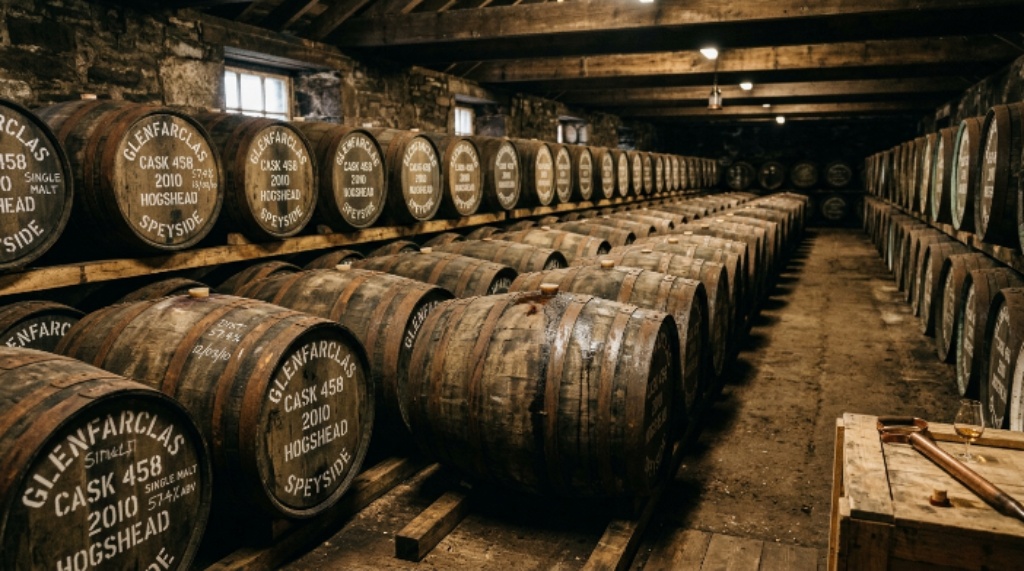
Whisky barrels are the single most important factor in shaping a whisky’s flavor, color, and aroma. Oak barrels slowly transform clear spirit into a rich drink by adding natural compounds, allowing gentle oxygen exposure, and encouraging controlled evaporation over time.
Whisky becomes more complex because the barrel interacts with the spirit every day. Around 2% of the liquid may naturally evaporate each year during aging, while many experts estimate that barrel maturation contributes most of the final flavor profile.
Why Whisky Barrels Matter
Freshly distilled whisky starts as a clear spirit with bold alcohol notes. However, it develops its signature taste only after spending years inside carefully prepared oak barrels.
Each barrel works like a natural flavor maker. The wood slowly releases compounds that create sweetness, spice, fruit notes, and deeper aromas while softening harsh alcohol edges.
Barrels also influence color through natural extraction. Therefore, longer aging often creates richer amber shades without adding artificial coloring in many premium whiskies.
The Anatomy of a Whisky Barrel
A whisky barrel contains several carefully crafted wooden staves. Skilled coopers fit these pieces tightly without glue, creating a durable container that naturally breathes.
Steel hoops hold the barrel together throughout years of storage. Meanwhile, wooden heads seal each end while allowing the barrel to remain structurally stable.
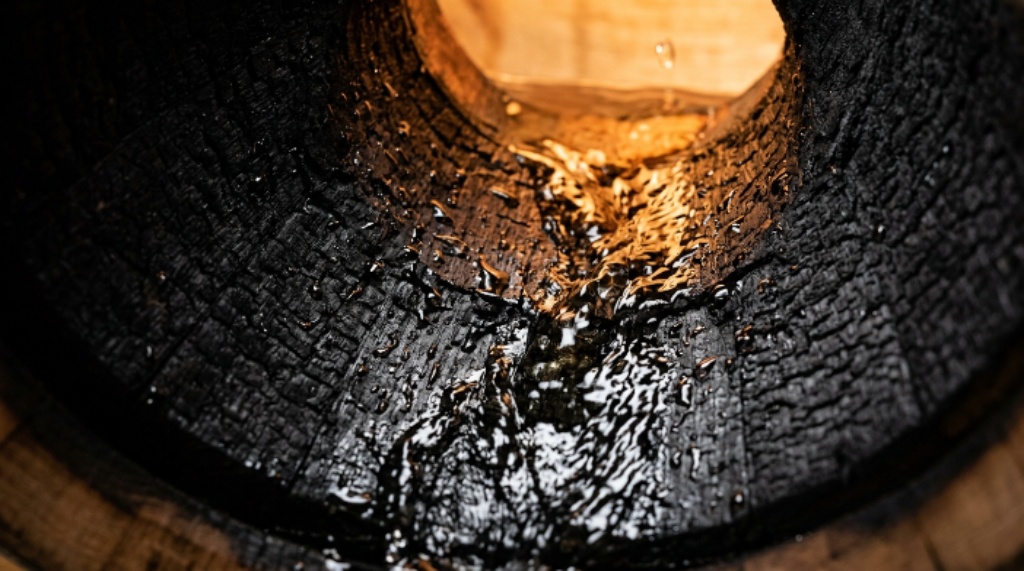
The inside surface receives either toasting or charring before filling. This important preparation unlocks desirable flavors hidden inside the oak.
American Oak
American white oak remains the preferred choice for many distilleries. It produces sweet notes including vanilla, caramel, coconut, and light baking spices.
Its tight grain also reduces leakage while allowing steady interaction with oxygen. Consequently, many bourbon producers rely exclusively on this wood.
European Oak
European oak delivers stronger spice characteristics than American oak. It often creates dried fruit, clove, nut, and dark chocolate flavors.
Many distilleries use European oak barrels previously filled with sherry. As a result, whiskies gain richer and more layered flavor profiles.
The Barrel Aging Process
Whisky maturation begins immediately after filling the barrel. Temperature changes move the liquid into the wood during warm weather and back into the barrel during cooler periods.
This repeated movement extracts valuable compounds from the oak. Consequently, each season contributes something different to the developing whisky.
Small amounts of oxygen also enter through the wood. This slow oxidation smooths rough alcohol notes while increasing overall complexity.
Another important process involves natural evaporation. Distillers call this loss the angel’s share because a small portion disappears into the air every year.
How Charring Changes Flavor
Charring creates a layer of natural charcoal inside the barrel. This layer filters unwanted compounds while exposing caramelized wood beneath the surface.
Different char levels create different flavor experiences. Therefore, distillers carefully select the ideal char based on their production goals.
Light char often preserves gentle sweetness and delicate oak character. Heavy char increases smoky notes while boosting caramel and toasted flavors.
Common Barrel Types Used for Whisky
Many distilleries use different barrel histories to create distinctive whiskies. Each previous filling leaves unique characteristics inside the wood.
Popular barrel choices include:
- New charred oak barrels
- Ex bourbon barrels
- Ex sherry barrels
- Ex rum barrels
- Ex wine barrels
- Ex port barrels
- Ex cognac barrels
Every option creates noticeable differences in aroma, taste, and finish. Therefore, barrel selection becomes one of the most important production decisions.
How Barrel Size Influences Aging
Barrel size affects the speed of flavor development. Smaller barrels expose more wood surface to each amount of whisky.
Greater wood contact increases extraction speed. Therefore, smaller barrels often mature whisky faster than larger traditional casks.
Large barrels encourage slower development instead. This extended process often creates balanced flavors with greater complexity over time.
Climate Plays a Major Role
Climate strongly influences whisky maturation. Warm regions increase expansion inside the barrel, causing faster interaction with the oak.
Cool climates slow the aging process considerably. Therefore, whiskies from different countries often develop unique regional characteristics.
Humidity also changes evaporation patterns. Some warehouses lose more water, while others lose more alcohol depending on local conditions.
Popular Flavor Notes Created by Barrels
Barrels introduce an impressive range of natural flavors into whisky. The final profile depends on wood type, char level, previous barrel contents, and aging time.
Common barrel influenced flavors include:
- Vanilla
- Caramel
- Honey
- Coconut
- Cinnamon
- Clove
- Nutmeg
- Toasted oak
- Dried fruit
- Raisins
- Dark chocolate
- Coffee
- Leather
- Smoke
Each whisky combines these flavors differently. Therefore, no two barrel aged whiskies taste exactly alike.
First Fill and Refill Barrels
A first fill barrel holds whisky for the first time after its previous contents. These barrels usually deliver stronger wood influence and richer flavors.
Refill barrels already matured earlier batches of whisky. Consequently, they provide gentler oak character while allowing the spirit itself to remain prominent.
Many master blenders combine both styles carefully. This balanced approach creates greater consistency across every release.
Barrel Finishing Explained
Some distilleries move mature whisky into another barrel for additional aging. This process is called barrel finishing.
Finishing introduces fresh layers of flavor without replacing the original character. Therefore, producers can create more distinctive expressions.
Popular finishing barrels include port, sherry, rum, wine, and cognac casks. Each option contributes its own unique aroma and finish.
The Role of Warehouse Storage
Warehouse conditions directly affect barrel performance. Temperature differences between upper and lower levels create different aging speeds.
Barrels near warmer areas often mature faster. Meanwhile, cooler sections encourage slower and steadier flavor development.
Distilleries sometimes rotate barrels during aging. However, many producers leave barrels untouched throughout maturation.
How Master Distillers Select Barrels
Barrel selection requires both experience and careful evaluation. Master distillers inspect wood quality before every barrel enters production.
They also consider grain structure, seasoning time, and char level. These factors influence how the whisky develops over several years.
Regular sampling helps determine maturity. Consequently, bottling decisions depend on flavor rather than age alone.
Tips for Appreciating Barrel Influence
Learning to recognize barrel flavors improves every whisky tasting experience. Small details often reveal the barrel’s unique contribution.
Consider these practical tasting tips:
- Smell before tasting.
- Take small sips.
- Notice sweetness first.
- Look for spice development.
- Compare different barrel finishes.
- Observe the lingering finish.
- Taste at room temperature.
- Add a few water drops carefully.
Regular comparison builds tasting confidence. Therefore, experience gradually improves flavor recognition.
Sustainability in Barrel Production
Modern cooperages increasingly focus on responsible forestry. Sustainable oak harvesting helps preserve forests while maintaining long term barrel supplies.
Many barrels also enjoy several useful lives. After one industry finishes using them, other distilleries often reuse them for different spirits.
This extended reuse reduces waste significantly. Therefore, barrels remain valuable long after their first filling.
Common Myths About Whisky Barrels
Many people believe older whisky always tastes better. In reality, balanced maturation matters more than age alone.
Another myth suggests darker whisky always indicates better quality. Color often reflects barrel influence rather than overall excellence.
Some also assume every barrel creates identical flavors. However, natural wood variation makes every barrel slightly different.
Conclusion
Whisky barrels transform simple distilled spirit into an exceptionally layered drink through wood chemistry, oxygen exposure, and patient aging. Every decision involving oak type, barrel history, char level, climate, and storage shapes the final experience inside your glass. Explore whiskies matured in different barrels, compare their flavor profiles, and discover how each cask tells its own unique story.
FAQs
How long should whisky stay in a barrel?
The ideal aging period depends on style, climate, and the flavor profile the distillery wants.
Why are oak barrels used instead of other woods?
Oak provides strength, controlled oxygen exchange, and desirable natural flavor compounds.
What is the angel’s share?
It is the natural evaporation of whisky from the barrel during maturation.
Do reused barrels still add flavor?
Yes, reused barrels contribute gentler oak influence while preserving more spirit character.
Does barrel size affect whisky taste?
Yes, smaller barrels usually create faster flavor development because of increased wood contact.