

Scotch whisky stands as one of the world’s most beloved spirits. Over 20 million casks of Scotch whisky currently age in Scotland. This iconic drink owes its rich flavor to a simple yet precise set of ingredients. Understanding what goes into Scotch whisky helps appreciate its depth and tradition. Let us explore the core elements that define this timeless spirit.
What Defines Scotch Whisky
Scotch whisky must come from Scotland to earn its name. The law requires it to age for at least three years in oak barrels. Distillers use only water, malted barley, and yeast for the mash. The process and ingredients create its distinct taste. whisky dick causes often spark curiosity but do not affect production.
Scotland’s cool climate and pure water sources play a key role. The region’s peat bogs also influence the flavor profile. Distillers follow strict rules to maintain authenticity. These factors combine to produce a spirit unlike any other. Scotch whisky remains a symbol of craftsmanship and heritage.
The Core Ingredients of Scotch Whisky
Scotch whisky relies on three primary ingredients to create its magic. Each component contributes uniquely to the final product. The simplicity of the recipe belies its complexity. Together they form the foundation of every bottle.
Water: The Foundation of Flavor
Water is the most abundant ingredient in Scotch whisky production. Scotland’s natural springs provide soft and pure water. This water helps extract sugars from the barley during mashing. The mineral content can subtly alter the whisky’s taste. Distillers often source water locally for consistency.
Some distilleries use water from nearby rivers or lochs. The quality of water affects fermentation and distillation. Hard water can lead to off flavors in the final product. Soft water is preferred for its neutrality. This ensures the barley’s natural flavors shine through.
Malted Barley: The Heart of Scotch
Malted barley gives Scotch whisky its characteristic sweetness and depth. The malting process activates enzymes that convert starches into sugars. These sugars are essential for fermentation. Without malted barley, whisky would lack its signature richness.
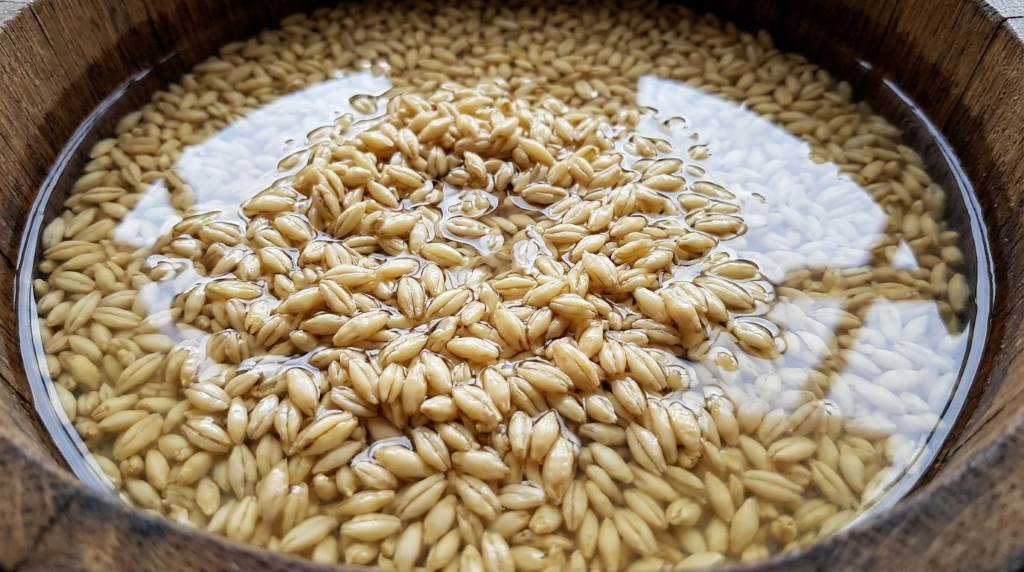
Distillers soak barley in water to begin germination. They then dry it using hot air, sometimes with peat smoke. Peat smoke adds a smoky flavor to certain Scotch varieties. The level of peating can vary from light to heavy. This step is crucial for defining the whisky’s profile.
Yeast: The Catalyst for Fermentation
Yeast converts the sugars from malted barley into alcohol. Distillers use specific strains to achieve desired flavors. The fermentation process typically lasts two to four days. This stage produces a liquid called wash, which is about 5-8% alcohol.
Different yeast strains can influence the final taste of the whisky. Some distilleries use proprietary yeast blends for uniqueness. The choice of yeast affects the production of fruity or floral notes. This small ingredient plays a big role in shaping the spirit.
The Unique Role of Peat in Scotch Whisky
Peat is not an ingredient but a flavor influencer in some Scotch whiskies. It comes from partially decayed vegetation found in bogs. Distillers burn peat to dry malted barley, infusing it with smoky notes. This practice is most common in Islay and the Highlands.
The amount of peat used varies by region and distillery. Heavily peated whiskies offer bold, earthy flavors. Lightly peated ones provide a subtle smokiness. Peat levels are measured in parts per million or ppm. This adds another layer of complexity to Scotch whisky.
How Scotch Whisky Is Made: A Step-by-Step Process
Scotch whisky production follows a time honored process. Each step builds on the last to create a refined spirit. The method has remained largely unchanged for centuries. This consistency ensures the high quality of every batch.
Malting the Barley
Malting begins with soaking barley in water to start germination. This activates enzymes that break down starches into fermentable sugars. The barley is then spread on malting floors to dry. Some distilleries use peat fires to add smoky flavors. This step is critical for preparing the grain for mashing.
Modern distilleries often use industrial maltings for efficiency. However, traditional floor maltings are still used by some. The malting process can take up to two weeks. It requires careful monitoring to ensure quality. The result is malted barley ready for the next stage.
Mashing and Creating the Wort
Mashing involves grinding the malted barley into a coarse flour called grist. The grist is mixed with hot water in a mash tun to extract sugars. This creates a sweet liquid known as wort. The wort is then cooled and transferred to fermentation vessels.
The temperature and timing of mashing affect sugar extraction. Distillers aim for a balance of efficiency and flavor. The wort is typically clear and has a high sugar content. This liquid is the foundation for fermentation. It must be handled carefully to avoid contamination.
Fermenting the Wort
Fermentation begins when yeast is added to the cooled wort. The yeast consumes the sugars and produces alcohol and carbon dioxide. This process takes place in large wooden or stainless steel vessels. It usually lasts between two and four days.
The resulting liquid, called wash, has an alcohol content of about 5-8%. The wash has a beer like quality and is ready for distillation. Distillers monitor fermentation closely to ensure consistency. The choice of yeast and fermentation time impacts the final flavor.
Distilling the Wash
Distillation is where the wash is transformed into spirit. Scotch whisky is typically double distilled in copper pot stills. The first distillation produces a liquid called low wine. The second distillation refines it into new make spirit.
The shape and size of the stills influence the character of the whisky. Copper stills help remove impurities and enhance flavor. The distillation process separates alcohol from water and other compounds. The result is a clear spirit with a high alcohol content.
Aging in Oak Casks
Aging is where Scotch whisky develops its color, flavor, and complexity. The new make spirit is placed in oak casks for maturation. The law requires aging for at least three years. Most Scotch whiskies age much longer, often a decade or more.
The type of cask used significantly impacts the final product. Ex bourbon and sherry casks are commonly used. These casks impart flavors like vanilla, caramel, and dried fruit. The interaction between spirit and wood creates depth. This step is essential for achieving the desired profile.
Regional Variations in Scotch Whisky Production
Scotland’s whisky regions each have distinct characteristics. The Highlands produce a wide range of styles from light to rich. Speyside is known for its sweet and fruity whiskies. Islay is famous for its heavily peated and smoky expressions.
Campbeltown whiskies are often briny and complex. The Lowlands typically offer lighter and gentler profiles. Each region’s unique climate and water sources contribute to these differences. rye whisky gluten is a separate topic but highlights the diversity in whisky types.
Distilleries within regions also have their own signature styles. Some focus on tradition while others experiment with innovation. These variations make exploring Scotch whisky an endless journey. The regional diversity adds to the allure of this spirit.
The Legal Standards for Scotch Whisky
Scotch whisky is protected by strict legal definitions. It must be produced in Scotland from water and malted barley. The spirit must age in oak casks for at least three years. It must also have a minimum alcohol content of 40% by volume.
These standards ensure the integrity and quality of Scotch whisky. They prevent mislabeling and maintain consumer trust. The Scotch Whisky Regulations of 2009 outline these rules. Compliance is monitored by industry and government bodies. This legal framework protects the reputation of Scotch whisky worldwide.
Common Misconceptions About Scotch Whisky
Many people believe Scotch whisky must be peated but this is not true. Unpeated Scotch whiskies are just as authentic and widely enjoyed. Another myth is that older whisky is always better. Age is just one factor in quality and personal preference matters most.
Some assume all Scotch whisky is expensive but there are many affordable options. Others think Scotch whisky can only be enjoyed neat. However it can be savored in cocktails or with a splash of water. These misconceptions often deter newcomers from exploring Scotch whisky.
Why Scotch Whisky Stands Out From Other Whiskies
Scotch whisky’s unique production methods set it apart from other whiskies. The use of malted barley as the primary grain is a key difference. The double distillation process also contributes to its smoothness. Aging in Scotland’s climate further enhances its character.
The legal standards for Scotch whisky are among the strictest in the world. This ensures a consistent level of quality and authenticity. The regional diversity within Scotland offers a wide range of flavors. These factors combine to make Scotch whisky a distinguished spirit.
How to Appreciate Scotch Whisky Like a Pro
Appreciating Scotch whisky begins with observing its color and clarity. Swirling the whisky in the glass releases its aromas. The nose can reveal notes of fruit, spice, smoke, or oak. Taking a small sip and letting it coat the mouth enhances the experience.
Adding a drop of water can open up the whisky’s flavors and aromas. It is also helpful to compare different expressions side by side. Keeping a whisky journal can track preferences and discoveries. The key is to explore and enjoy the journey.
Pairing Scotch Whisky With Food
Scotch whisky pairs well with a variety of foods. Light and fruity whiskies complement seafood and salads. Rich and sherried whiskies go well with chocolate and cheese. Smoky whiskies can stand up to hearty meats like steak or lamb.
Experimenting with pairings can enhance the enjoyment of both the whisky and the food. The contrast or complement of flavors can be surprising. Cheese boards offer a range of options to match different whiskies. The right pairing can elevate the tasting experience.
The Environmental Impact of Scotch Whisky Production
Scotch whisky production has a significant environmental footprint. The industry uses large amounts of water and energy. Distilleries are increasingly adopting sustainable practices to reduce their impact. Many are investing in renewable energy sources like biomass and solar.
Waste management is another focus area for the industry. Byproducts like draff and pot ale are being repurposed. Some distilleries use them for animal feed or biogas production. These efforts aim to create a more circular economy. Sustainability is becoming a priority for Scotch whisky producers.
Innovations in Scotch Whisky Making
Innovation is shaping the future of Scotch whisky. Some distilleries are experimenting with different types of casks for aging. Others are exploring new barley varieties and malting techniques. These innovations can lead to new and exciting flavor profiles.
Technology is also playing a role in improving efficiency and consistency. Automated systems help monitor and control the production process. However, traditional methods remain at the heart of Scotch whisky making. The balance between innovation and tradition is key to the industry’s evolution.
The Cultural Significance of Scotch Whisky
Scotch whisky is deeply intertwined with Scottish culture and history. It has been produced for centuries and is a source of national pride. The industry supports thousands of jobs and contributes significantly to the economy. Scotch whisky is also a global ambassador for Scotland.
It plays a role in celebrations and traditions both in Scotland and abroad. The art of whisky making is passed down through generations. Distilleries often offer tours and experiences for visitors. This cultural heritage adds to the allure of Scotch whisky.
Conclusion
Scotch whisky is a spirit defined by its simplicity and complexity. Its core ingredients of water, malted barley, and yeast create a canvas for endless variation. The production process and legal standards ensure its quality and authenticity. Exploring Scotch whisky is a journey through history, culture, and craftsmanship.
Whether you are a seasoned enthusiast or a curious newcomer, there is always more to discover. Take the time to savor and appreciate the nuances of each dram. Share the experience with friends and fellow whisky lovers. Start your own exploration today and raise a glass to the timeless tradition of Scotch whisky.
FAQs
What are the main ingredients in Scotch whisky?
Scotch whisky is made from water, malted barley, and yeast.
How long must Scotch whisky age?
Scotch whisky must age for at least three years in oak casks.
What is the role of peat in Scotch whisky?
Peat is used to dry malted barley and can add smoky flavors to the whisky.
Can Scotch whisky be made outside of Scotland?
No, Scotch whisky must be produced in Scotland to be called Scotch.
What is the difference between single malt and blended Scotch whisky?
Single malt Scotch whisky distillers produce it using malted barley at one distillery, while blended Scotch combines malt and grain whiskies from multiple distilleries.