

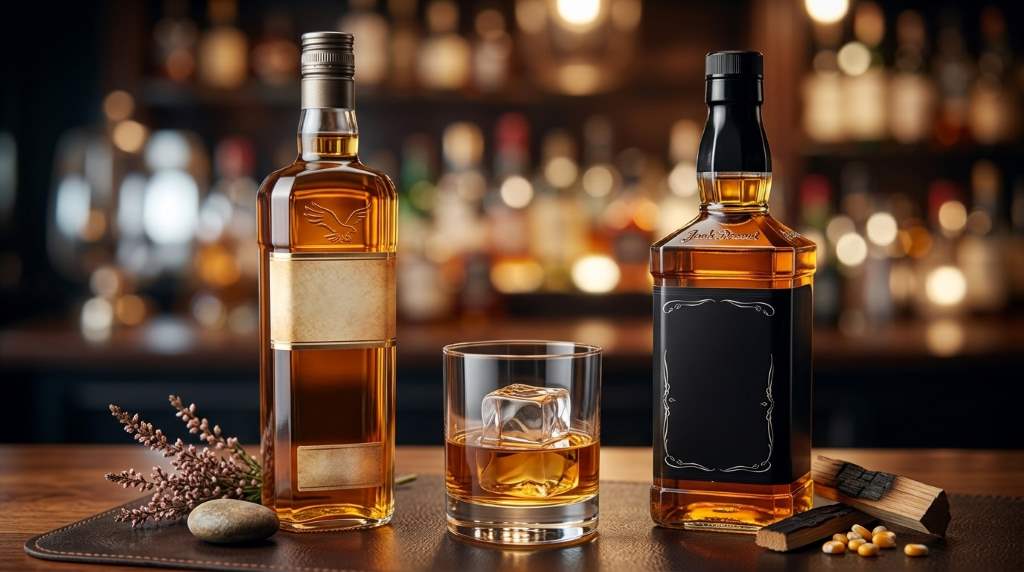
Many people wonder whether scotch or whisky is the better choice for their taste and occasion. Although both names appear similar, they describe different products with unique traditions and production methods. According to industry reports, global whisky sales continue growing each year, while Scotch whisky exports reach billions of dollars annually. Therefore, understanding the differences helps consumers across the USA make smarter buying decisions and enjoy every glass with greater confidence.
What Does Scotch or Whisky Really Mean?
Whisky is a broad category of distilled spirits made from fermented grains and aged in wooden barrels. However, Scotch is a specific type of whisky that comes exclusively from Scotland under strict legal regulations.
Every Scotch is whisky, but not every whisky qualifies as Scotch. If you want to understand the production process better, read this detailed guide about what is scotch whisky made from for additional background.
American consumers often compare Scotch with bourbon, rye, Irish whiskey, and Japanese whisky. Nevertheless, each style delivers distinctive aromas, flavors, and aging characteristics that create completely different drinking experiences.
What Makes Scotch Unique?
- Produced only in Scotland.
- Aged for at least three years in oak barrels.
- Made under strict Scotch Whisky Regulations.
- Often features smoky, peaty, fruity, or malty flavors.
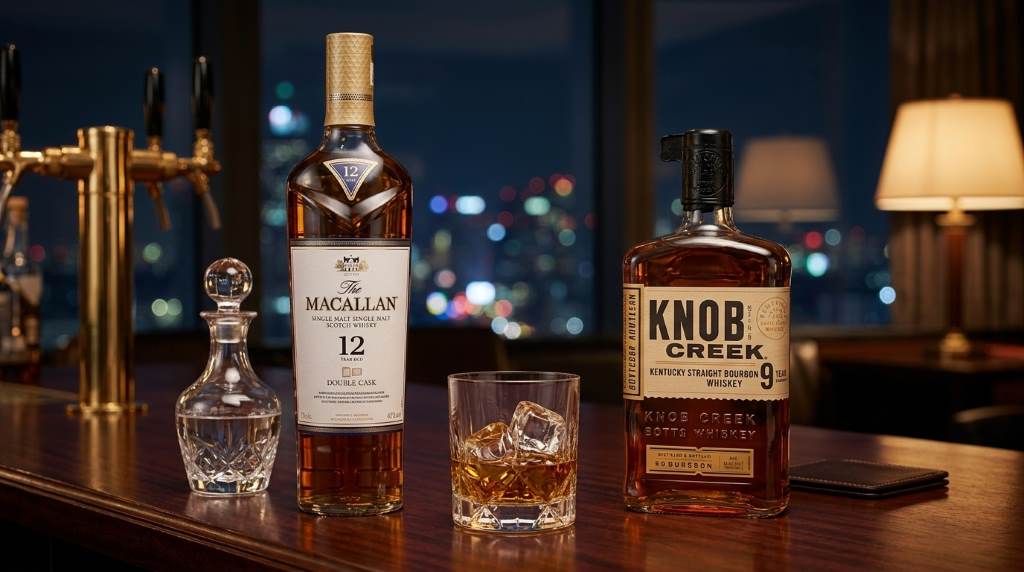
How Whisky Is Made
Although recipes vary, most whisky follows the same production stages from grain selection to bottling. Each step shapes the final aroma, texture, and flavor found inside every bottle.
- Select quality grains.
- Mill and mash the grains.
- Ferment with yeast.
- Distill the alcohol.
- Age in wooden barrels.
- Bottle after quality checks.
The grain choice strongly influences the final flavor profile. Consequently, barley creates different characteristics than corn, rye, or wheat.
Scotch Types You Should Know
Scotch comes in several categories, and each offers a different tasting experience. Learning these styles helps beginners purchase bottles that match their personal preferences.
Single Malt Scotch
Single malt Scotch comes from one distillery and uses only malted barley. As a result, many enthusiasts appreciate its complex and refined character.
Blended Scotch
Blended Scotch combines malt and grain whiskies from multiple distilleries. Therefore, it often delivers balanced flavors at a more affordable price.
Single Grain Scotch
Single grain Scotch may include grains besides malted barley. Consequently, producers often use it for blending while some bottles are released independently.
Blended Malt Scotch
Blended malt Scotch combines single malts from different distilleries without adding grain whisky. Thus, drinkers enjoy additional complexity with distinctive regional influences.
Scotch or Whisky: Understanding the Flavor Differences
Flavor remains one of the biggest reasons people compare scotch or whisky before buying a bottle. Personal preference usually matters more than price or popularity.
Scotch often delivers smoky, earthy, malty, and slightly salty notes because many producers use peat during the drying process. Meanwhile, other whisky styles may offer sweeter flavors featuring vanilla, caramel, cinnamon, fruit, or honey.
If you enjoy experimenting with drinks, explore this helpful mix whisky vodka cocktail guide to discover creative serving ideas for different whisky styles.
Typical Scotch Flavors
- Smoke
- Peat
- Oak
- Dried fruit
- Spice
- Nuts
Typical Whisky Flavors
- Vanilla
- Caramel
- Apple
- Honey
- Cinnamon
- Chocolate
Which Option Is Better for Beginners?
New drinkers sometimes worry that Scotch tastes too strong or smoky. Fortunately, many lighter Scotch bottles provide smooth introductions without overwhelming the palate.
Irish whiskey and some American whiskies usually taste sweeter and softer. Therefore, beginners often find them easier before exploring more intense Scotch expressions.
Starting with a balanced blended Scotch also builds confidence. Eventually, many drinkers move toward single malts after developing their tasting skills.
How to Drink Scotch or Whisky
There is no universal rule because enjoyment depends on personal preference. However, a few serving methods help reveal different flavors and aromas.
- Drink neat for the full flavor.
- Add a few drops of water.
- Serve over large ice cubes.
- Use quality ingredients for cocktails.
Those who enjoy sweeter drinks can also explore what to mix with Fireball whisky for fun cocktail inspiration that suits casual gatherings.
Buying Tips for Consumers in the USA
The USA offers thousands of whisky options from domestic and international producers. Therefore, comparing labels carefully helps buyers select bottles that fit both taste and budget.
- Read age statements carefully.
- Check alcohol percentage.
- Research flavor descriptions.
- Start with smaller bottles.
- Buy from trusted retailers.
Customer reviews also provide valuable insights before making a purchase. Nevertheless, personal taste always remains the most important deciding factor.
Common Myths About Scotch or Whisky
Scotch Is Always Smoky
Many Scotch whiskies contain little or no peat smoke. Instead, several regions produce smooth, fruity, and floral expressions.
Older Always Means Better
Age improves some whiskies, but excellent younger bottles also deliver outstanding quality. Production methods and barrel selection matter just as much.
Ice Ruins Every Whisky
Ice changes the flavor profile, yet many people genuinely enjoy chilled whisky. Ultimately, the best serving style is the one you prefer.
How to Choose Between Scotch or Whisky
Select Scotch if you enjoy rich, layered flavors with traditional Scottish heritage. Alternatively, choose other whisky styles when you prefer sweeter or lighter taste profiles.
Think about your budget, experience level, and drinking occasion before buying. As your palate develops, you can confidently explore different regions and production styles.
Conclusion
Understanding scotch or whisky becomes much easier once you know their origins, production methods, and flavor profiles. While Scotch follows strict Scottish regulations, whisky includes many excellent styles from around the world. The right choice always depends on your personal taste, serving preference, and budget. Start exploring different bottles today, compare their unique characteristics, and discover your own favorite whisky experience.
Frequently Asked Questions
Is Scotch the same as whisky?
No, Scotch is a specific type of whisky produced only in Scotland.
Why does Scotch taste smoky?
Some Scotch producers use peat during malting, creating distinctive smoky flavors.
Can beginners enjoy Scotch?
Yes, many blended and lighter Scotch whiskies are suitable for beginners.
Should I drink Scotch neat or with ice?
Either method works because personal preference determines the best serving style.
Which is more popular in the USA?
American whiskey remains extremely popular, while Scotch also enjoys strong demand among enthusiasts.