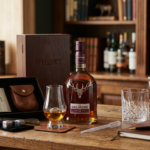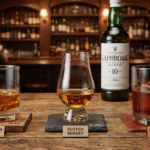

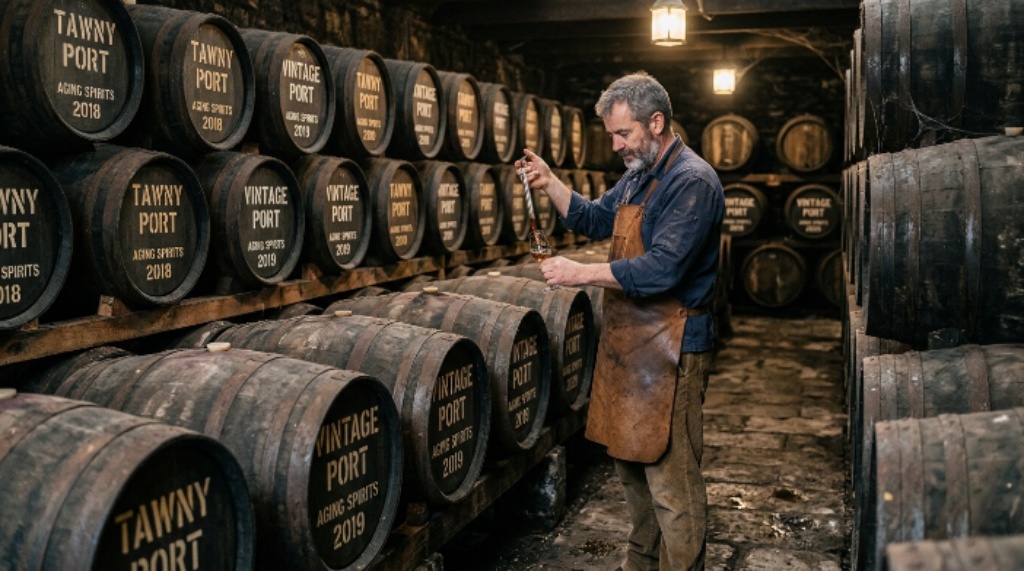
Port barrels enhance spirits by adding layers of dried fruit, berry sweetness, gentle spice, and silky texture during secondary maturation. This finishing method creates greater aroma, balance, and depth without hiding the original character of the spirit.
Port barrel finishing has become one of the most respected maturation techniques in premium spirits. Many award winning whiskeys and other aged spirits now use this method to develop richer flavor profiles. Industry estimates show oak barrels contribute roughly 60% to 80% of a spirit’s final flavor, while evaporation during aging commonly removes around 2% to 5% annually depending on storage conditions. These factors make barrel selection one of the most important decisions in spirit production.
What Are Port Barrels?
Port barrels are oak casks that previously matured Port wine before receiving a finished spirit. Residual wine remains absorbed inside the wood even after the barrels are emptied.
As fresh spirits rest inside these casks, they absorb leftover wine compounds alongside natural oak flavors. Consequently, the final product gains additional complexity without becoming overly sweet.
Most Port barrels originate from Portugal because authentic Port wine comes from that region. However, distillers worldwide carefully source these barrels for premium finishing.
Why Distillers Use Port Barrels
Secondary barrel maturation allows producers to add fresh flavor dimensions after standard oak aging. Therefore, the spirit develops more character while preserving its original identity.
Instead of replacing traditional maturation, Port barrels refine an already mature product. The result often feels smoother, deeper, and more balanced.
Consumers increasingly seek distinctive spirits with memorable flavor experiences. Port barrel finishing helps brands meet those expectations through carefully controlled maturation.
How Port Barrel Finishing Works
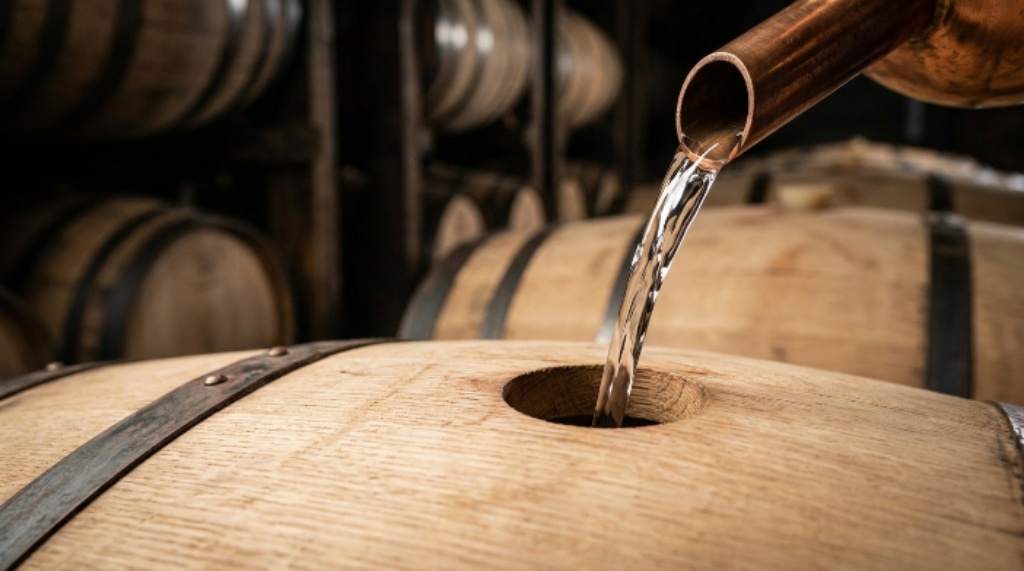
A spirit usually spends several years aging in standard oak barrels before transfer. Afterward, it moves into a seasoned Port barrel for additional maturation.
The finishing period varies depending on the desired flavor intensity. Experienced distillers regularly taste the spirit throughout the process.
Timing remains critical because excessive finishing can overpower the original whiskey or rum. Skilled blenders therefore monitor every batch carefully.
Primary Aging
Freshly distilled spirits begin aging inside new or previously used oak barrels. During this stage, they develop foundational flavors including vanilla, caramel, spice, and toasted wood.
The interaction between wood and spirit gradually softens harsh alcohol notes. As a result, the liquid becomes smoother over time.
Secondary Maturation
Once the primary aging reaches its goal, the spirit transfers into Port barrels. Here, subtle wine characteristics begin integrating with the existing profile.
This finishing stage focuses on refinement instead of dramatic transformation. Consequently, successful products maintain balance throughout every sip.
Flavor Characteristics Added by Port Barrels
Port barrels contribute several recognizable tasting notes that enthusiasts appreciate. These flavors typically appear naturally through barrel interaction rather than artificial additions.
Common flavor contributions include:
- Dried cherries
- Blackberries
- Raisins
- Figs
- Plum
- Dark chocolate
- Brown sugar
- Baking spices
- Toasted nuts
- Soft oak
- Light floral notes
- Silky mouthfeel
Every barrel behaves differently because each previously contained unique Port wine. Therefore, no two finished batches taste exactly alike.
The Science Behind Flavor Development
Oak contains natural compounds that dissolve into aging spirits over time. These include tannins, lignin, and hemicellulose that influence taste and aroma.
Meanwhile, leftover Port wine compounds remain trapped within the wood structure. They slowly migrate into the spirit during finishing.
Temperature changes also move liquid deeper into the barrel staves before returning it outward. This repeated cycle strengthens flavor extraction naturally.
Factors That Influence Final Complexity
Several variables determine how much influence a Port barrel provides. Master distillers carefully manage each factor for consistent quality.
Important variables include:
- Barrel age
- Oak species
- Previous Port style
- Barrel size
- Warehouse temperature
- Humidity levels
- Finishing duration
- Original spirit profile
Even small adjustments can produce noticeably different tasting results. Therefore, barrel management requires significant experience.
Which Spirits Benefit Most?
Whiskey remains the most recognized category using Port barrel finishing. However, several other spirits also respond exceptionally well.
Rum develops richer tropical fruit notes while maintaining natural sweetness. Brandy often gains additional dried fruit character with enhanced elegance.
Some craft distillers also experiment with aged gin and specialty grain spirits. These innovative releases continue expanding consumer interest.
Bourbon
Port barrels soften bold caramel flavors with berry sweetness and gentle fruit notes. Consequently, many finished bourbons feel richer without becoming heavy.
The combination creates excellent balance between vanilla richness and fresh fruit character. Many collectors appreciate this approachable complexity.
Rye Whiskey
Rye naturally offers peppery spice and herbal character. Port finishing introduces sweetness that complements rather than masks those bold flavors.
This contrast creates greater depth while preserving rye’s signature personality. Many enthusiasts enjoy the resulting harmony.
Single Malt Whiskey
Single malt whiskey often develops exceptional elegance after Port finishing. Fruit notes blend smoothly with malt richness and subtle oak influence.
Long maturation frequently creates layered aromas that continue evolving inside the glass. This complexity appeals to experienced tasters.
Rum
Aged rum responds beautifully to Port barrels because both products naturally share fruit driven characteristics. Therefore, finishing often feels seamless.
Many finished rums display notes of molasses, dried berries, cocoa, and tropical fruit. These flavors enhance overall richness without excessive sweetness.
Port Styles Matter
Different Port wines leave different flavor fingerprints inside their barrels. Distillers therefore select casks according to desired results.
Ruby Port barrels often contribute brighter berry flavors and youthful fruit notes. Tawny Port barrels generally provide nutty richness and dried fruit complexity.
Vintage Port barrels sometimes deliver remarkable depth with concentrated fruit character. Each option creates a unique finishing experience.
Benefits for Spirit Producers
Port barrel finishing offers more than improved flavor alone. It also creates valuable product differentiation within competitive markets.
Major advantages include:
- Greater flavor complexity
- Premium positioning
- Unique seasonal releases
- Stronger brand identity
- Better collector interest
- Expanded tasting experiences
- Creative blending opportunities
These benefits help producers attract both experienced enthusiasts and curious newcomers.
Tips for Appreciating Port Finished Spirits
Take time to evaluate aroma before tasting. Many subtle fruit characteristics appear first through the nose.
Allow the spirit several minutes inside the glass before drinking. Oxygen gradually opens hidden layers of aroma and flavor.
Sip slowly instead of rushing the experience. Complex spirits continue revealing new characteristics throughout each tasting session.
Compare a standard expression alongside its Port finished version whenever possible. This side by side approach clearly demonstrates barrel influence.
Common Misconceptions
Some people assume Port finished spirits taste exactly like wine. However, the influence remains subtle and balanced.
Others believe sweeter flavors indicate added sugar. In most premium products, these characteristics develop naturally through barrel maturation.
Many newcomers also expect every Port finished spirit to taste identical. Instead, barrel origin, aging length, and base spirit create significant variation.
Choosing a Quality Port Finished Spirit
Look for producers that explain their finishing process clearly. Transparent production methods often reflect careful craftsmanship.
Age statements can provide useful information, although flavor remains more important than years alone. Balanced maturation generally matters most.
Reading tasting notes helps identify styles matching personal preferences. Therefore, selecting the right bottle becomes much easier.
Conclusion
Port barrels transform already mature spirits into more layered and memorable expressions through thoughtful secondary maturation. Their influence adds fruit richness, gentle sweetness, elegant texture, and remarkable depth while respecting the original spirit’s character. Explore a quality Port finished spirit during your next tasting and compare it with a standard expression to discover how barrel finishing changes every sip.
FAQs
What is a Port barrel?
A Port barrel is an oak cask previously used to age Port wine before finishing another spirit.
Do Port barrels make spirits sweeter?
They add natural fruit sweetness and richness without overwhelming the original flavor.
Which spirit works best with Port barrels?
Bourbon, rye whiskey, single malt whiskey, and aged rum all respond exceptionally well.
How long does Port barrel finishing usually last?
Most finishing periods range from several months to over a year depending on the desired profile.
Are all Port finished spirits the same?
No, each barrel, base spirit, and finishing duration create a unique flavor profile.