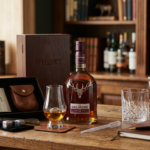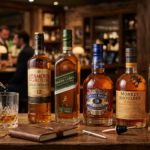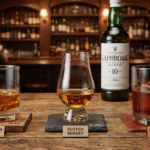

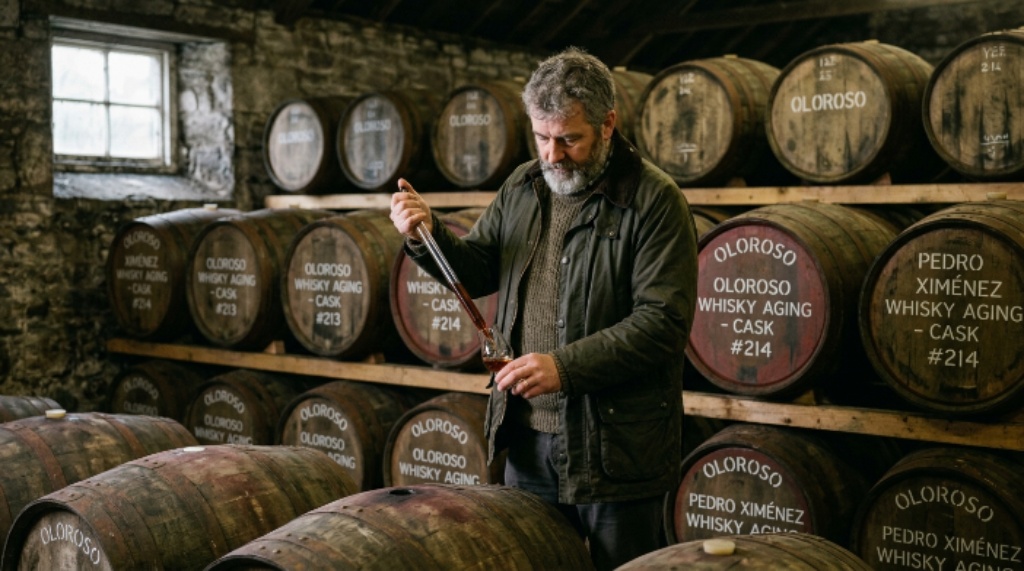
Sherry barrels unlock richer whiskey tones by adding layers of dried fruit, roasted nuts, warm spices, and dark chocolate flavors. Oloroso and Pedro Ximénez seasoned oak barrels create the deepest character because they leave flavorful compounds inside the wood before whiskey aging begins.
Whiskey remains one of the fastest growing premium spirits, while oak maturation creates about 60 to 80 percent of its final flavor. Sherry seasoned barrels continue attracting distillers because they deliver remarkable depth without overpowering the spirit. Therefore, understanding their influence helps enthusiasts appreciate every sip and make smarter purchasing decisions.
Why Sherry Barrels Matter in Whiskey Aging
Every whiskey barrel influences aroma, color, texture, and taste throughout the maturation process. However, sherry barrels create a noticeably richer profile than many standard oak barrels.
These barrels previously held fortified wine that soaked deeply into the oak. Consequently, the remaining wine compounds slowly blend with the aging whiskey over several years.
What Makes a Sherry Barrel Different?
A sherry barrel starts with carefully crafted oak before receiving sherry seasoning for several months. This preparation allows the wood to absorb wine flavors before holding whiskey.
Most premium producers use seasoned barrels instead of historic transport casks today. As a result, distillers achieve greater consistency between production batches.
Common Oak Types
European oak produces stronger spice, dried fruit, and tannin notes. Meanwhile, American oak contributes sweeter vanilla, coconut, and caramel characteristics.
Each wood species reacts differently during long aging periods. Therefore, distillers carefully match oak selection with their desired whiskey style.
Popular Sherry Styles Used for Whiskey
Different sherry styles leave unique flavor signatures inside every barrel. Consequently, whiskey makers choose specific casks for targeted flavor development.
The most common options include:
- Oloroso for dried fruit, walnut, cinnamon, and leather notes
- Pedro Ximénez for raisins, figs, chocolate, and rich sweetness
- Amontillado for toasted almonds and balanced complexity
- Palo Cortado for elegant spice with layered fruit flavors
- Fino for lighter nutty freshness in selected releases
How Sherry Barrels Transform Whiskey
Oak naturally releases tannins, sugars, and aromatic compounds during aging. However, sherry seasoning introduces another layer of complexity inside the wood.
As whiskey expands and contracts through seasonal temperatures, it extracts these compounds gradually. Consequently, each year creates deeper flavor integration.
Rich Fruit Notes
Many sherry matured whiskeys develop flavors resembling raisins, dates, figs, and dried cherries. These notes often become the defining characteristic of premium releases.
The fruit character rarely tastes artificial or sugary. Instead, it feels naturally woven into the whiskey’s structure.
Warm Spice Character
European oak frequently contributes cinnamon, clove, nutmeg, and gentle black pepper flavors. Therefore, older expressions often display remarkable spice complexity.
Balanced spice prevents excessive sweetness during long maturation. Consequently, the whiskey remains elegant instead of heavy.
Dark Chocolate and Coffee Hints
Extended maturation sometimes produces chocolate, espresso, roasted hazelnut, and cocoa flavors. These characteristics create greater depth across the palate.
Many collectors actively seek bottles showing these darker tasting notes. Therefore, sherry matured releases often attract strong demand.
The Difference Between Full Maturation and Finishing
Some whiskeys spend their entire aging period inside sherry barrels. Others receive only several months of finishing before bottling.
Full maturation generally creates deeper integration throughout the whiskey. Meanwhile, finishing adds fresh layers without completely changing the original character.
Full Sherry Maturation
Complete maturation allows oak and spirit to evolve together over many years. Consequently, every flavor feels naturally connected from beginning to finish.
This method usually creates richer color and stronger dried fruit intensity. Therefore, premium single malts often favor this approach.
Sherry Cask Finishing
Finishing transfers mature whiskey into sherry barrels near the end of aging. This shorter period refreshes aroma while preserving the original distillery character.
Many distillers use finishing for creative limited editions. As a result, drinkers enjoy greater variety without dramatic flavor changes.
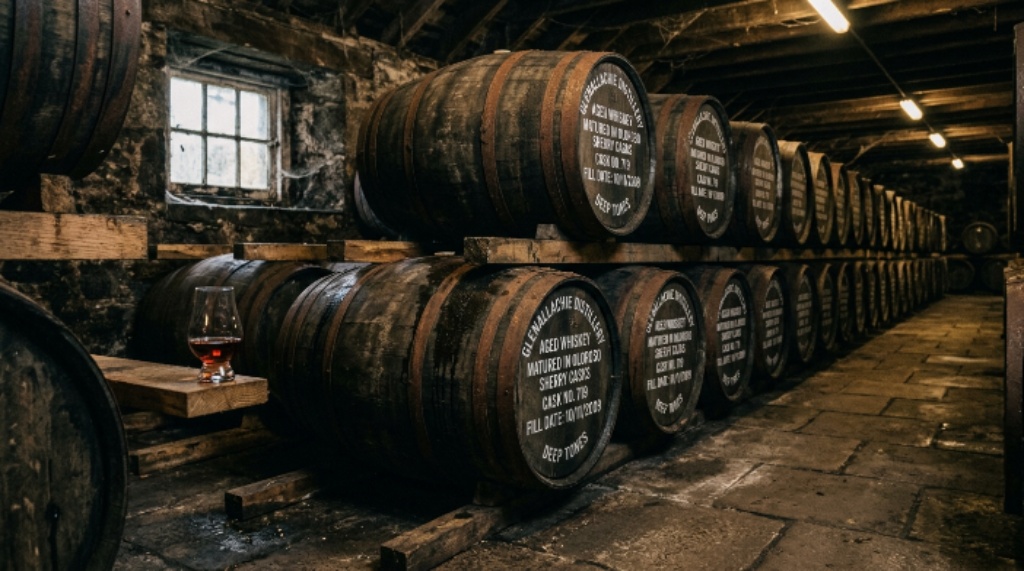
Factors That Influence Final Flavor
Several production choices affect the finished whiskey beyond the barrel alone. Understanding these variables improves tasting expectations.
Important factors include:
- Barrel size
- Oak species
- First fill or refill cask
- Warehouse climate
- Aging duration
- Distillation style
- Filling strength
Each element changes extraction speed and flavor balance. Therefore, no two sherry matured whiskeys taste exactly alike.
First Fill Versus Refill Sherry Barrels
First fill barrels contain fresh oak influence immediately after previous seasoning. Consequently, they release stronger fruit, spice, and color during maturation.
Refill barrels already surrendered much of their strongest character. Therefore, they create softer flavors while highlighting the spirit itself.
Many premium distilleries blend both barrel types carefully. This combination delivers richness without overwhelming balance.
Why Oloroso Barrels Remain So Popular
Oloroso barrels consistently produce complex flavors with remarkable depth. Their combination of dried fruit, toasted nuts, leather, and spice matches many whiskey styles beautifully.
Because these flavors complement malt naturally, countless premium expressions rely on Oloroso maturation. Consequently, enthusiasts frequently associate sherry matured whiskey with this specific style.
The Growing Role of Pedro Ximénez Barrels
Pedro Ximénez barrels create noticeably sweeter flavor profiles than Oloroso casks. They often introduce raisins, molasses, dates, cocoa, and rich dessert characteristics.
Many distillers combine both barrel styles during maturation. Therefore, the finished whiskey gains sweetness while maintaining structural balance.
Best Food Pairings
Food can highlight hidden layers inside sherry matured whiskey. Choosing complementary flavors creates a better tasting experience.
Excellent pairings include:
- Aged cheddar cheese
- Dark chocolate
- Roasted almonds
- Smoked meats
- Dried apricots
- Salted pecans
- Fruit cake
Balanced pairings prevent either food or whiskey from dominating the palate. Consequently, every flavor remains distinct.
Tips for Tasting Sherry Matured Whiskey
Pour a moderate serving into a tulip shaped glass before tasting. Then allow several minutes for aromas to develop naturally.
Swirl gently before smelling instead of rushing the experience. Furthermore, adding a few water drops may reveal hidden fruit and spice notes.
Take small sips rather than large mouthfuls. Finally, notice how flavors continue changing long after swallowing.
Common Myths About Sherry Barrels
Some drinkers believe sweeter whiskey always contains added sugar. However, barrel influence alone creates many naturally sweet tasting notes.
Others assume darker whiskey always means older whiskey. Yet barrel type, oak, and maturation conditions strongly affect color regardless of age.
Another misconception suggests every sherry matured whiskey tastes identical. Instead, barrel selection creates remarkable diversity between different releases.
Choosing a Quality Sherry Matured Whiskey
Read bottle descriptions carefully before purchasing any release. Many producers clearly identify barrel type and maturation method.
Look for details describing first fill, refill, or full maturation. Moreover, trusted producers usually provide transparent aging information for informed buyers.
Taste preferences should guide every purchase instead of popularity alone. Consequently, exploring different barrel styles becomes more rewarding over time.
Conclusion
Sherry barrels remain among the most influential tools for creating rich, memorable whiskey. Their unique combination of seasoned oak, careful maturation, and patient aging produces exceptional depth that ordinary barrels rarely achieve.
Explore different sherry barrel styles during your next tasting session and compare their unique flavor profiles. With every bottle, you will discover new layers that make aged whiskey endlessly fascinating.
FAQs
What flavor does a sherry barrel add to whiskey?
Sherry barrels commonly add dried fruit, nuts, spice, chocolate, and rich sweetness.
Which sherry barrel is most commonly used?
Oloroso seasoned barrels remain the most widely used choice for premium whiskey maturation.
Does every sherry matured whiskey taste sweet?
No, many expressions balance rich fruit flavors with dry spice and oak complexity.
Are first fill sherry barrels better than refill barrels?
First fill barrels deliver stronger flavors, while refill barrels create greater subtlety and balance.
Can bourbon also age in sherry barrels?
Yes, many bourbon producers use sherry barrel finishing to introduce additional fruit and spice notes.